


Fracture and Maxillofacial Trauma
Maxillofacial trauma refers to injuries affecting the face, jaws, teeth, and surrounding soft tissues. These injuries may range from minor facial cuts to complex fractures involving the jawbones, cheekbones, or eye sockets.
Facial trauma often occurs suddenly and may require emergency dental and surgical care to restore function, appearance, and oral health.
At our clinic, we provide comprehensive diagnosis and treatment for facial fractures, dental injuries, and maxillofacial trauma using advanced imaging and modern treatment techniques.
What Is Maxillofacial Trauma?
Maxillofacial trauma includes injuries involving:
- Upper jaw (maxilla)
- Lower jaw (mandible)
- Cheekbones (zygoma)
- Nasal bones
- Eye socket bones (orbital fractures)
- Teeth and supporting structures
- Soft tissues of the face and mouth
These injuries can affect breathing, speaking, chewing, appearance, and overall quality of life.
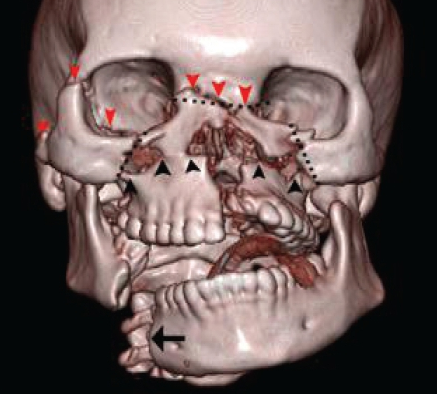
Common Causes of Facial Fractures and Trauma
1. Road Traffic AccidentsMotor vehicle accidents are a major cause of facial and jaw injuries.
2. FallsFalls may result in broken teeth, jaw fractures, or facial soft tissue injuries.
3. Sports InjuriesContact sports can cause fractures and dental trauma, especially without protective equipment.
4. Physical AssaultDirect blows to the face may damage bones, teeth, and facial tissues.
5. Workplace AccidentsIndustrial injuries may lead to severe facial trauma.
6. Recreational InjuriesCycling, skating, and outdoor activities may result in accidental facial injuries.
Common Types of Maxillofacial Fractures
1. Mandibular (Lower Jaw) FracturesThese are among the most common facial fractures and may affect:
- Jaw movement
- Bite alignment
- Speech and chewing
Symptoms may include pain, swelling, jaw deviation, and difficulty opening the mouth.
2. Maxillary (Upper Jaw) FracturesUpper jaw fractures may occur after high-impact trauma and can affect facial stability and occlusion.
3. Zygomatic (Cheekbone) FracturesThese fractures may cause:
- Flattened cheek appearance
- Swelling
- Difficulty opening the mouth
- Double vision in severe cases
Fractures involving the eye socket can affect vision and eye movement.
5. Nasal Bone FracturesBroken nasal bones are common in facial trauma and may cause bleeding or breathing difficulty.
6. Dental and Alveolar FracturesTrauma may also involve:
- Broken teeth
- Tooth displacement
- Supporting bone fractures
Symptoms of Maxillofacial Trauma
Symptoms vary depending on the severity and location of injury.
Common symptoms include:
- Facial swelling
- Bruising
- Pain while chewing
- Difficulty opening the mouth
- Jaw misalignment
- Loose or broken teeth
- Bleeding from the mouth or nose
- Numbness of the face or lips
- Double vision
- Difficulty breathing in severe cases
Any facial trauma should be professionally evaluated to rule out hidden fractures.
Diagnosis of Facial Fractures
Proper assessment is critical for effective treatment planning.
Your dentist or oral and maxillofacial surgeon may perform:
- Clinical examination
- Bite and jaw movement assessment
- Dental evaluation
- Facial symmetry analysis
- X-rays
- CT scans for detailed imaging
Advanced imaging helps identify fracture patterns and associated injuries.
Management of Fractures and Maxillofacial Trauma
Treatment depends on the location, severity, and complexity of the injury.
1. Emergency StabilizationInitial care focuses on:
- Controlling bleeding
- Managing pain
- Protecting the airway
- Stabilizing facial structures
Severe injuries may require hospital-based emergency care.
2. Pain and Swelling ManagementSupportive treatment may include:
- Pain relief medications
- Cold compresses
- Soft diet recommendations
- Anti-inflammatory therapy
Proper rest supports healing.
3. Management of Dental InjuriesTrauma to teeth may require:
- Repositioning displaced teeth
- Splinting mobile teeth
- Root canal treatment
- Crowns or restorations
- Tooth replacement when necessary
Early treatment improves long-term outcomes.
4. Closed Reduction (Non-Surgical Treatment)Some jaw fractures can be treated without surgery using stabilization techniques such as:
- Intermaxillary fixation (jaw wiring)
- Splints
- Elastic guidance
This helps maintain proper alignment during healing.
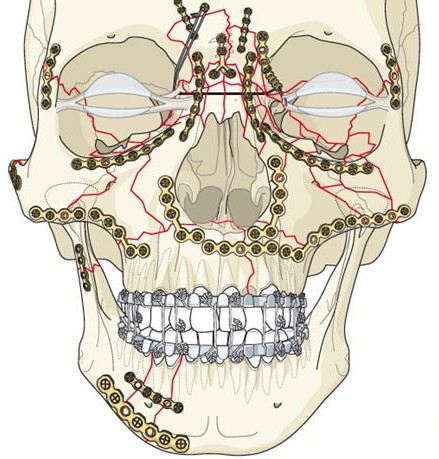
5. Surgical Management (Open Reduction and Internal Fixation)Complex or displaced fractures may require surgery.
This involves:
- Repositioning fractured bones
- Stabilizing them with titanium plates and screws
- Restoring facial structure and function
Modern surgical techniques aim for accurate healing and minimal scarring.
6. Soft Tissue RepairCuts and lacerations involving the lips, cheeks, or gums may require suturing and wound care.
Proper repair helps minimize scarring and restore function.
7. Infection PreventionDepending on the injury, antibiotics may be prescribed to reduce infection risk, especially in open fractures or contaminated wounds.
Recovery After Facial Trauma
Healing time depends on:
- Severity of injury
- Age and overall health
- Type of treatment
- Compliance with post-treatment instructions
Patients are often advised to:
- Follow a soft diet
- Maintain oral hygiene carefully
- Avoid smoking and alcohol
- Attend follow-up visits regularly
Most fractures heal successfully with proper care and monitoring.
Possible Complications if Left Untreated
Untreated facial fractures may lead to:
- Bite problems
- Facial deformity
- Chronic pain
- Infection
- Difficulty chewing
- Speech problems
- Nerve damage
- Limited jaw movement
Early intervention helps prevent long-term complications.
How to Prevent Facial Trauma
While accidents cannot always be avoided, preventive measures can reduce injury risk:
- Wearing seat belts
- Using helmets during riding or sports
- Wearing mouthguards during contact sports
- Following workplace safety precautions
- Avoiding distracted driving
Protective gear significantly lowers the risk of severe facial injury.
When Should You Seek Immediate Medical or Dental Care?
Seek urgent care if you experience:
- Severe facial swelling
- Uncontrolled bleeding
- Difficulty breathing
- Jaw displacement
- Loss of consciousness
- Double vision
- Broken or avulsed teeth
- Severe pain after facial injury
Prompt treatment improves recovery and outcomes.
Expert Care for Facial Trauma and Jaw Fractures
Our clinic provides comprehensive diagnosis and management of maxillofacial trauma, jaw fractures, dental injuries, and facial soft tissue injuries.
Using advanced imaging, modern surgical techniques, and patient-focused care, we aim to restore both function and facial aesthetics safely and effectively.
Contact our clinic today for prompt evaluation and expert care for facial injuries and jaw trauma.