


Broken or Loose Implants
Dental implants are one of the most reliable and long-lasting solutions for replacing missing teeth. They restore chewing function, appearance, and confidence while helping preserve jawbone health.
Although implants have a high success rate, complications such as loose or broken implants can occasionally occur.
A loose or damaged implant should never be ignored, as early treatment can help prevent further bone loss and improve the chances of saving the implant.
At our clinic, we provide advanced diagnosis and treatment for implant complications using modern dental technology and personalized care.
What Is a Dental Implant?
A dental implant is an artificial tooth root made of titanium or zirconia that is surgically placed into the jawbone.
It typically consists of:
- Implant fixture – inserted into the bone
- Abutment – connects the implant to the crown
- Dental crown – the visible replacement tooth
Dental implants are designed to function like natural teeth and can last many years with proper care.
What Does a Loose or Broken Implant Mean?
A dental implant problem may involve:
- A loose implant crown
- A loose abutment screw
- A fractured implant crown
- A damaged implant component
- Movement of the implant itself within the bone
- Implant fracture or failure
The exact cause determines the appropriate treatment approach.
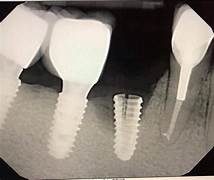
Common Causes of Loose or Broken Implants
1. Loose Abutment ScrewOver time, the connecting screw between the implant and crown may loosen due to chewing forces.
2. Teeth Grinding (Bruxism)Excessive clenching or grinding places significant pressure on implants and restorations.
3. Trauma or InjuryAccidents, falls, or sports injuries may damage implant components.
4. Implant OverloadImproper bite alignment or excessive force can stress the implant system.
5. Bone Loss Around the Implant (Peri-Implantitis)Infection and inflammation around the implant can weaken supporting bone.
6. Poor Oral HygienePlaque accumulation around implants increases the risk of infection and implant failure.
7. Long-Term Wear and TearLike any dental restoration, implant crowns and components may wear down over time.

Symptoms of a Loose or Broken Implant
You may notice:
- Movement or wobbling of the implant crown
- Pain or discomfort while chewing
- Swelling or redness around the implant
- Difficulty biting
- Clicking sensation
- Bleeding around the gums
- Bad taste or discharge
- Cracked implant crown
- Gum recession around the implant
In some cases, symptoms may develop gradually.
Why Prompt Treatment Is Important
Ignoring implant problems may lead to:
- Progressive bone loss
- Gum infection
- Implant failure
- Damage to surrounding teeth
- Difficulty chewing
- More complex and expensive treatment later
Early diagnosis often allows simpler and more conservative treatment.
Management of Broken or Loose Dental Implants
Treatment depends on whether the issue involves the crown, abutment, or implant itself.
1. Clinical Examination and ImagingThe dentist will assess:
- Implant stability
- Bone support
- Gum health
- Condition of implant components
- Bite alignment
Dental X-rays or 3D scans may be used to evaluate bone and implant structure.
2. Tightening a Loose Implant Crown or ScrewIn many cases, the implant itself is stable, but the crown or abutment screw has loosened.
Treatment may involve:
- Removing the crown
- Tightening or replacing the screw
- Adjusting the bite
- Recementing or refitting the crown
This is often a straightforward procedure when treated early.
3. Replacing a Damaged CrownIf the implant crown is chipped, cracked, or fractured, a new crown may be fabricated to restore appearance and function.
Modern implant crowns are designed for strength and natural aesthetics.
4. Treatment of Peri-ImplantitisIf infection is present around the implant, management may include:
- Professional deep cleaning
- Antibacterial treatment
- Laser or surgical therapy
- Bone regeneration procedures in selected cases
Controlling infection is essential to preserving implant stability.
5. Implant Removal and ReplacementIf the implant itself is severely loose, fractured, or affected by advanced bone loss, removal may be necessary.
After healing, replacement options may include:
- New implant placement
- Bone grafting
- Alternative tooth replacement methods
Patients who grind or clench their teeth may benefit from a custom night guard to protect implants and restorations from excessive force.
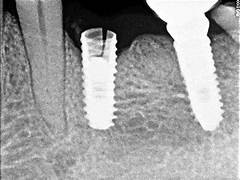
What to Do If Your Implant Feels Loose
Until you see your dentist:
- Avoid chewing on the affected side
- Maintain excellent oral hygiene
- Avoid hard or sticky foods
- Do not attempt to tighten the implant yourself
- Contact your dentist promptly
Timely treatment can significantly improve outcomes.
How to Prevent Implant Complications
You can help protect your dental implants by:
- Brushing and flossing daily
- Attending regular dental check-ups
- Avoiding smoking or tobacco products
- Wearing a night guard if recommended
- Avoiding chewing very hard objects
- Maintaining professional implant cleanings
Good oral hygiene and routine maintenance are key to long-term implant success.
When Should You Seek Immediate Dental Care?
Contact your dentist immediately if you experience:
- Implant movement
- Persistent pain or swelling
- Bleeding around the implant
- Pus or discharge
- Difficulty chewing
- Broken implant crown
- Sudden changes in your bite
Early intervention helps prevent implant failure and protects surrounding oral structures.
Advanced Implant Care for a Healthy, Confident Smile
Our clinic offers comprehensive dental implant care, including implant maintenance, repair, infection management, crown replacement, and implant restoration.
Using advanced diagnostic tools and modern treatment techniques, we aim to restore comfort, stability, and long-term oral health.
Schedule your implant consultation today and protect your smile with expert dental care.