


Broken Crown
A broken dental crown can be uncomfortable, affect your appearance, and expose the underlying tooth to further damage or infection. Dental crowns are designed to protect weakened teeth, but like natural teeth, they can sometimes crack, chip, loosen, or break due to trauma, wear, or underlying dental problems.
At our clinic, we provide prompt evaluation and effective treatment for damaged dental crowns to restore both function and aesthetics.
What Is a Dental Crown?
A dental crown is a custom-made cap placed over a damaged or weakened tooth to restore its shape, strength, and appearance. Crowns can be made from porcelain, ceramic, zirconia, metal, or porcelain-fused-to-metal materials.
What Is a Broken Crown?
A broken crown refers to any damage affecting the dental crown, including:
- Cracks
- Chips
- Fractures
- Loose crowns
- Completely detached crowns
The severity can range from a minor cosmetic issue to significant tooth exposure requiring urgent dental treatment.
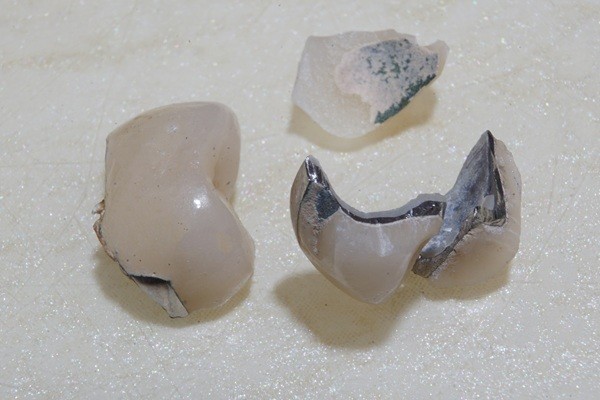
Common Causes of a Broken Crown
Several factors can lead to crown damage:
1. Biting Hard FoodsChewing ice, hard candy, nuts, or bones can place excessive pressure on the crown.
2. Teeth Grinding (Bruxism)Night grinding or clenching gradually weakens the crown material.
3. Trauma or InjuryFalls, sports injuries, or accidents can fracture crowns.
4. Tooth Decay Under the CrownDecay beneath the crown weakens the supporting tooth structure.
5. Aging and WearCrowns can wear down over time, especially older restorations.
6. Poor Fit or Cement FailureA loose crown may shift and eventually break.
Symptoms of a Broken Crown
You may experience:
- Sharp pain when biting
- Sensitivity to hot or cold foods
- Visible crack or missing piece
- Rough or sharp edges
- Swelling around the tooth
- Loose crown sensation
- Food trapping around the crown
In some cases, there may be little or no pain, especially if only the outer crown material is affected.
Why Prompt Treatment Is Important
A damaged crown can expose the underlying tooth to:
- Bacterial infection
- Tooth fracture
- Gum irritation
- Sensitivity
- Further structural damage
Delaying treatment may increase the need for more extensive procedures such as root canal treatment or extraction.
Management of a Broken Crown
Treatment depends on the extent of damage to both the crown and the underlying tooth.
1. Dental Examination and X-raysThe dentist will evaluate:
- The condition of the crown
- The health of the tooth underneath
- Presence of decay or infection
- Bite alignment
Dental X-rays help assess root and bone involvement.
2. Crown RepairMinor chips or small fractures may sometimes be repaired using:
- Dental bonding
- Composite resin
- Polishing and smoothing rough edges
This option is usually suitable for small cosmetic defects.
3. Crown ReplacementIf the crown is significantly cracked, broken, or loose, replacing it is often the best solution.
A new crown is fabricated to restore:
- Strength
- Appearance
- Proper bite function
Modern crowns are highly durable and natural-looking.
4. Recementing a Loose CrownIf the crown is intact and simply detached, it may be cleaned and recemented after evaluating the tooth underneath.
5. Root Canal TreatmentIf the underlying tooth nerve becomes infected or exposed, root canal therapy may be required before placing a new crown.
Signs may include:
- Persistent pain
- Swelling
- Sensitivity
- Infection
In cases where the tooth is severely fractured or cannot be restored, extraction may be recommended.
Replacement options may include:
- Dental implants
- Bridges
- Partial dentures
What to Do If Your Crown Breaks
Until you visit the dentist:
- Avoid chewing on the affected side
- Keep the area clean
- Avoid sticky or hard foods
- Save any broken crown pieces if possible
- Use temporary dental cement only if advised
- Contact your dentist promptly
Do not attempt to glue the crown back yourself using household adhesives.
How to Prevent Crown Damage
You can extend the life of your dental crown by:
- Avoiding hard foods and ice chewing
- Wearing a night guard for teeth grinding
- Maintaining good oral hygiene
- Visiting the dentist regularly
- Avoiding using teeth to open packages
- Treating cavities and gum disease early
With proper care, many crowns last 10–15 years or longer.
When Should You See a Dentist Immediately?
Seek urgent dental care if you experience:
- Severe pain
- Facial swelling
- Difficulty chewing
- A completely detached crown
- Bleeding or infection
- Sharp crown edges injuring your tongue or cheek
Early treatment helps protect the tooth and prevents complications.
Restore Your Smile with Expert Dental Care
Our clinic offers comprehensive solutions for broken crowns, including emergency care, crown replacement, cosmetic restoration, and preventive dentistry.
We use modern materials and advanced techniques to ensure durable, comfortable, and natural-looking results.
Schedule your dental appointment today and restore the strength and beauty of your smile.