


Abscess
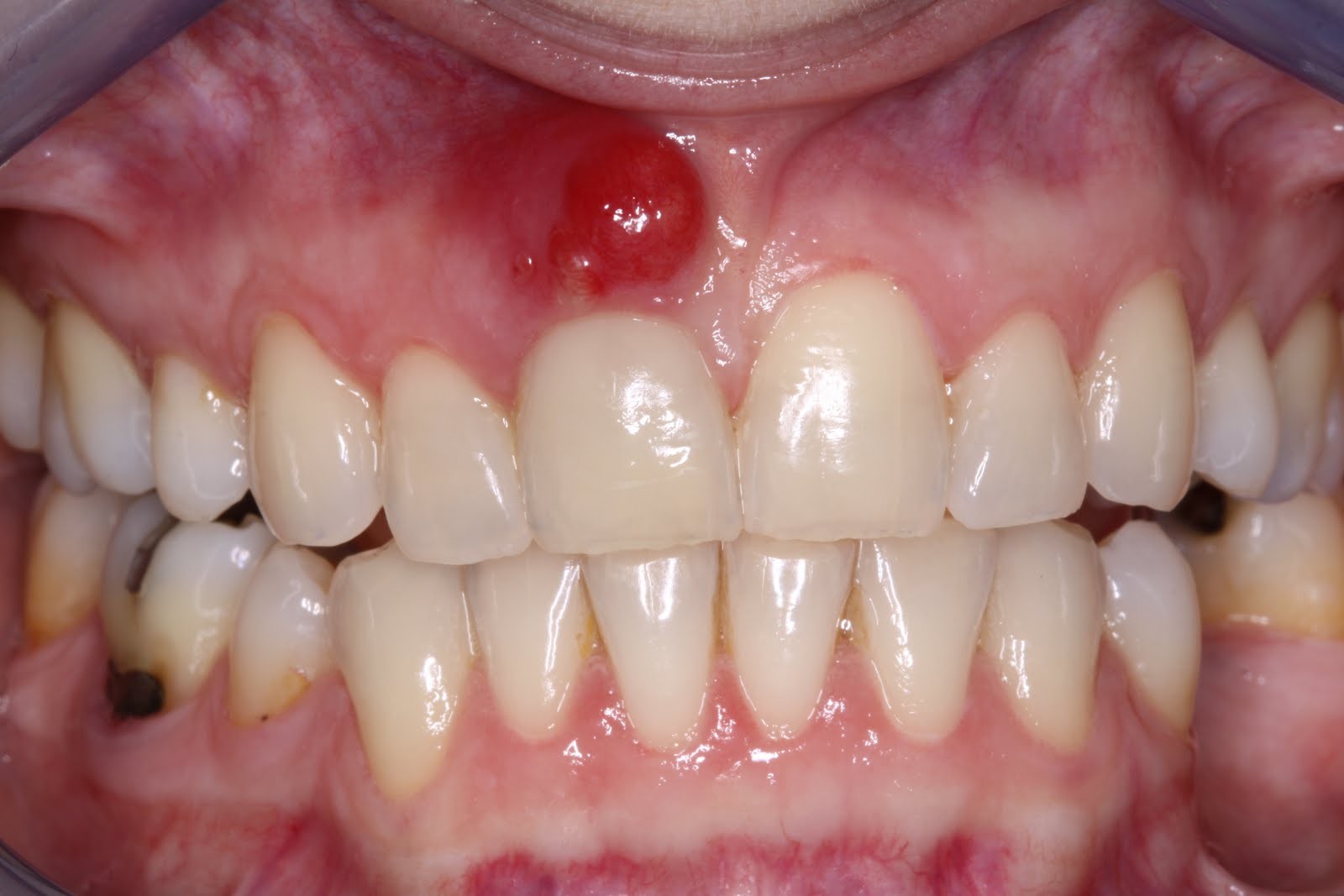
A dentoalveolar abscess is a painful dental infection that develops when bacteria invade the tooth pulp or surrounding tissues, leading to a collection of pus near the tooth root or supporting bone. Without timely treatment, the infection can spread to nearby tissues and may lead to serious complications.
At our clinic, we focus on early diagnosis, effective pain relief, and long-term dental health to help patients recover quickly and comfortably.
What Is a Dentoalveolar Abscess?
A dentoalveolar abscess is a localized bacterial infection associated with a tooth and its supporting structures. It commonly occurs due to:
- Untreated dental cavities (tooth decay)
- Cracked or fractured teeth
- Gum disease
- Trauma to the tooth
- Failed dental restorations or previous dental work
The infection causes pus to accumulate around the root of the tooth, leading to swelling, pain, and inflammation.
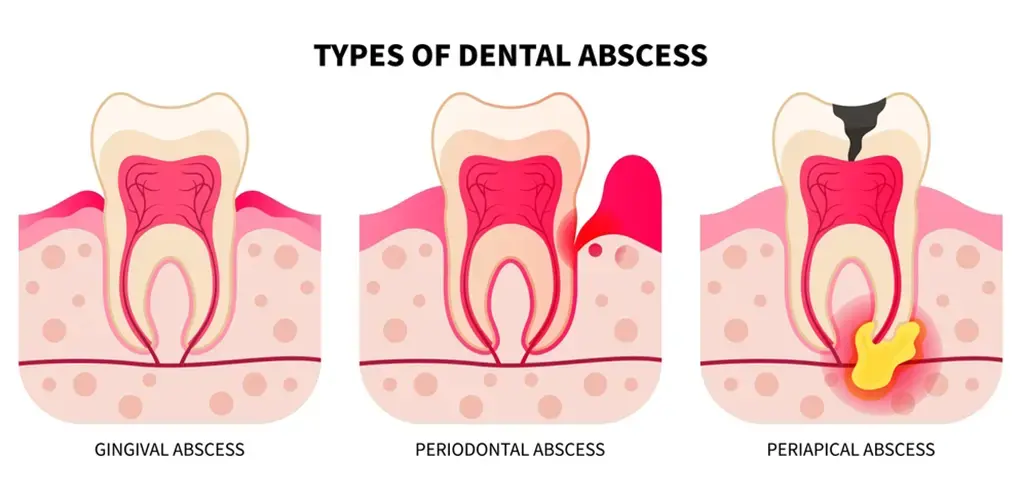
Types of Dental Abscesses
1. Periapical AbscessThis occurs at the tip of the tooth root and usually results from untreated tooth decay or trauma affecting the pulp.
2. Periodontal AbscessThis develops in the gums beside a tooth and is often linked to gum disease or trapped food particles.
3. Gingival AbscessA localized infection confined to the gum tissue without affecting the tooth or periodontal ligament.
Common Symptoms
Patients with a dentoalveolar abscess may experience:
- Severe throbbing toothache
- Sensitivity to hot and cold foods
- Swelling in the gums or face
- Pain while chewing
- Bad taste or foul-smelling discharge
- Fever or malaise
- Difficulty opening the mouth
- Swollen lymph nodes under the jaw
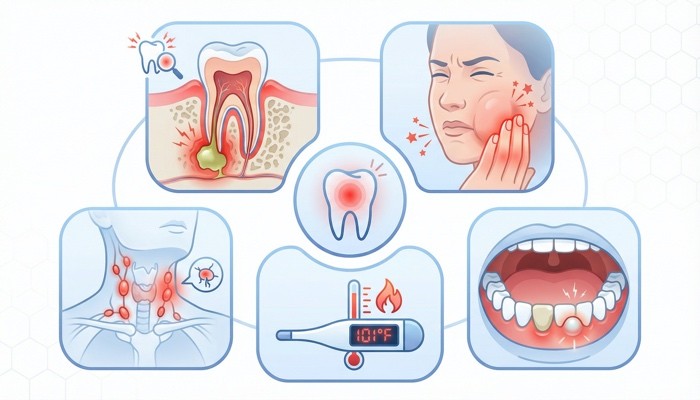
In some cases, the pain may suddenly decrease if the abscess drains, but the infection still requires professional treatment.
Causes and Risk Factors
Several factors increase the risk of developing a dental abscess:
- Poor oral hygiene
- High sugar intake
- Delayed dental treatment
- Smoking or tobacco use
- Dry mouth
- Weakened immune system
- Advanced gum disease
Regular dental check-ups can help identify problems before they become severe.
Diagnosis
A dentist will typically diagnose a dentoalveolar abscess through:
- Clinical examination
- Dental X-rays
- Percussion and vitality testing
- Assessment of swelling and drainage
Imaging helps determine the extent of infection and whether nearby structures are involved.
Management of Dentoalveolar Abscess
Effective management depends on the severity and source of the infection.
1. Drainage of the AbscessThe primary goal is to eliminate the pus and reduce pressure. Drainage may be achieved through:
- Opening the abscess
- Root canal access
- Gum incision when necessary
This often provides immediate pain relief.
2. Root Canal TreatmentIf the tooth can be saved, root canal therapy removes the infected pulp and seals the tooth to prevent reinfection.
Benefits include:
- Pain relief
- Preservation of the natural tooth
- Restoration of function
When the tooth is severely damaged or cannot be restored, extraction may be the best option to stop the spread of infection.
Replacement options such as implants or bridges may be discussed afterward.
4. Antibiotic TherapyAntibiotics may be prescribed when:
- Swelling is spreading
- Fever is present
- There is facial cellulitis
- The patient has reduced immunity
However, antibiotics alone do not cure the abscess. The source of infection must be treated.
5. Pain ManagementPain relief may include:
- Anti-inflammatory medications
- Warm saline rinses
- Avoiding very hot or cold foods
- Maintaining hydration
Possible Complications if Left Untreated
Ignoring a dental abscess can lead to:
- Spread of infection to facial spaces
- Bone loss around teeth
- Difficulty swallowing or breathing
- Systemic infection
- Tooth loss
Prompt dental care is essential to avoid serious health risks.
Prevention Tips
You can reduce the risk of dentoalveolar abscesses by:
- Brushing twice daily with fluoride toothpaste
- Flossing regularly
- Limiting sugary foods and drinks
- Visiting the dentist every 6 months
- Treating cavities early
- Avoiding tobacco products
Preventive care is the most effective way to maintain long-term oral health.
When Should You See a Dentist?
Seek immediate dental attention if you experience:
- Persistent tooth pain
- Facial swelling
- Fever with dental pain
- Pus discharge from the gums
- Difficulty chewing or swallowing
Early treatment can prevent complications and save the affected tooth.
Compassionate Dental Care for Dental Infections
Our clinic provides comprehensive diagnosis and treatment for dental abscesses using modern techniques focused on comfort, safety, and long-term oral health.
Whether you need emergency pain relief, root canal treatment, or preventive dental care, our team is here to help.