
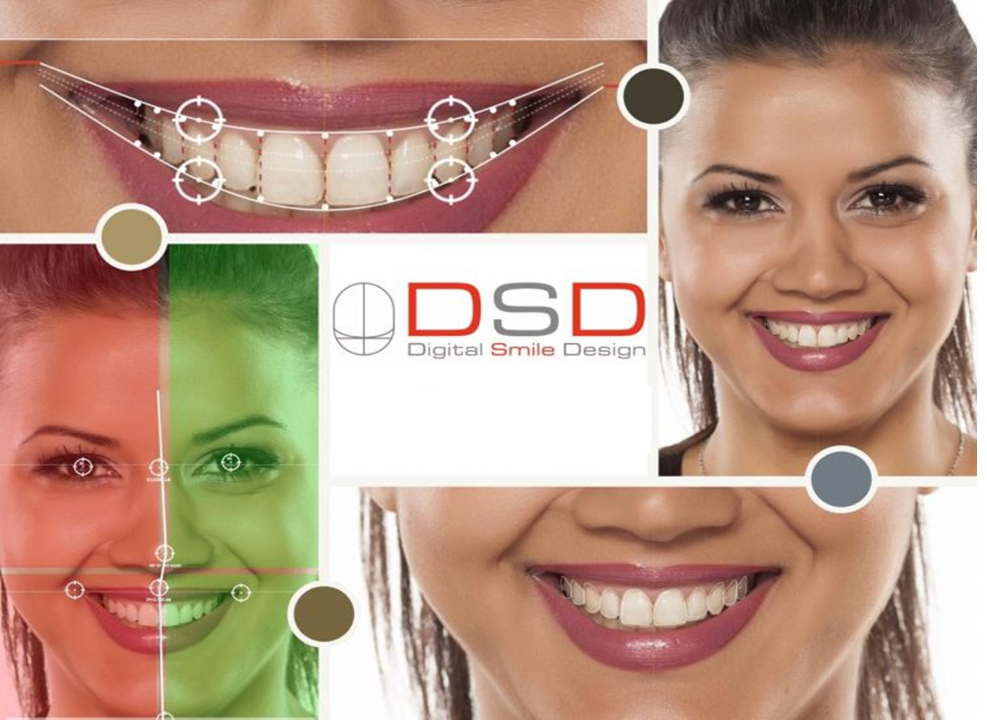
Digital Smile Design (DSD) is an innovative concept in cosmetic dentistry that integrates technology with artistic principles to enhance smile aesthetics. It involves using digital tools and software to design and plan dental treatments tailored to the individual patient's facial features, preferences, and functional requirements. Here’s a detailed overview of Digital Smile Design, including its components, process, benefits, and applications:
Components of Digital Smile Design:
- Facial Analysis:
- Dentists analyze the patient's facial and dental proportions, considering factors like smile symmetry, lip line, facial midline, and gum display during smiling.
- Digital Imaging and Photography:
- High-resolution digital photographs and videos are taken of the patient's face and smile from various angles.
- Digital scans or impressions of the teeth may also be captured using intraoral scanners to create precise 3D models.
- Smile Design Software:
- Specialized DSD software allows dentists to manipulate digital images and create a customized smile design that aligns with the patient's facial characteristics and desired outcomes.
- The software enables visualization of potential treatment outcomes and allows for real-time adjustments based on patient feedback.
- Mock-Up or Simulation:
- A digital mock-up or simulation of the proposed smile design is created to show the patient a preview of how their smile will look post-treatment.
- This helps in setting realistic expectations and allows the patient to provide input before finalizing the treatment plan.
- Collaboration with Specialists:
- Dentists may collaborate with other specialists, such as orthodontists, periodontists (for gum contouring), and dental laboratory technicians, to ensure comprehensive treatment planning and execution.
Process of Digital Smile Design:
- Consultation and Evaluation:
- During the initial consultation, the dentist discusses the patient's goals, concerns, and expectations regarding their smile.
- Facial and dental assessments are conducted to evaluate the patient's oral health, bite alignment, and overall facial aesthetics.
- Digital Imaging and Analysis:
- Using DSD software, digital images and scans are analysed to assess facial proportions, tooth size, shape, color, and alignment.
- Virtual smile design adjustments are made based on the patient's facial dynamics and preferences.
- Treatment Planning:
- A customized treatment plan is developed, outlining the specific dental procedures needed to achieve the desired smile design.
- This may include teeth whitening, dental veneers, crowns, orthodontic treatments, or a combination of procedures.
- Patient Approval:
- The patient reviews and approves the digital mock-up or simulation of their new smile design.
- Any necessary modifications are made based on patient feedback to ensure satisfaction with the proposed treatment outcomes.
- Implementation and Follow-Up:
- Once the treatment plan is finalized, procedures are scheduled and carried out according to the DSD guidelines.
- Post-treatment follow-up appointments are scheduled to monitor progress, make adjustments if needed, and ensure long-term success and patient satisfaction.
Benefits of Digital Smile Design:
- Personalized Treatment: Tailored smile design based on individual facial features and preferences.
- Enhanced Communication: Clear visualization of treatment outcomes facilitates effective communication between dentist and patient.
- Predictable Results: Allows for precise planning and execution of dental procedures, minimizing the need for adjustments during treatment.
- Patient Satisfaction: Empowers patients to participate in the treatment planning process and visualize their potential smile transformation.
Applications of Digital Smile Design:
- Cosmetic Dentistry: Enhancing smile aesthetics through procedures like veneers, teeth whitening, and gum contouring.
- Restorative Dentistry: Planning and implementing comprehensive restorations to improve dental function and aesthetics.
- Orthodontics: Integrating DSD with orthodontic treatments such as clear aligners or braces to achieve optimal smile alignment.
Conclusion:
Digital Smile Design represents a paradigm shift in cosmetic dentistry, leveraging technology to create personalized and predictable smile transformations. By integrating facial analysis, digital imaging, and collaborative treatment planning, DSD enables dentists to deliver aesthetic outcomes that meet patient expectations and enhance overall oral health and confidence. For individuals considering cosmetic dental treatments, exploring Digital Smile Design with a qualified dentist can provide clarity and assurance in achieving their desired smile.