
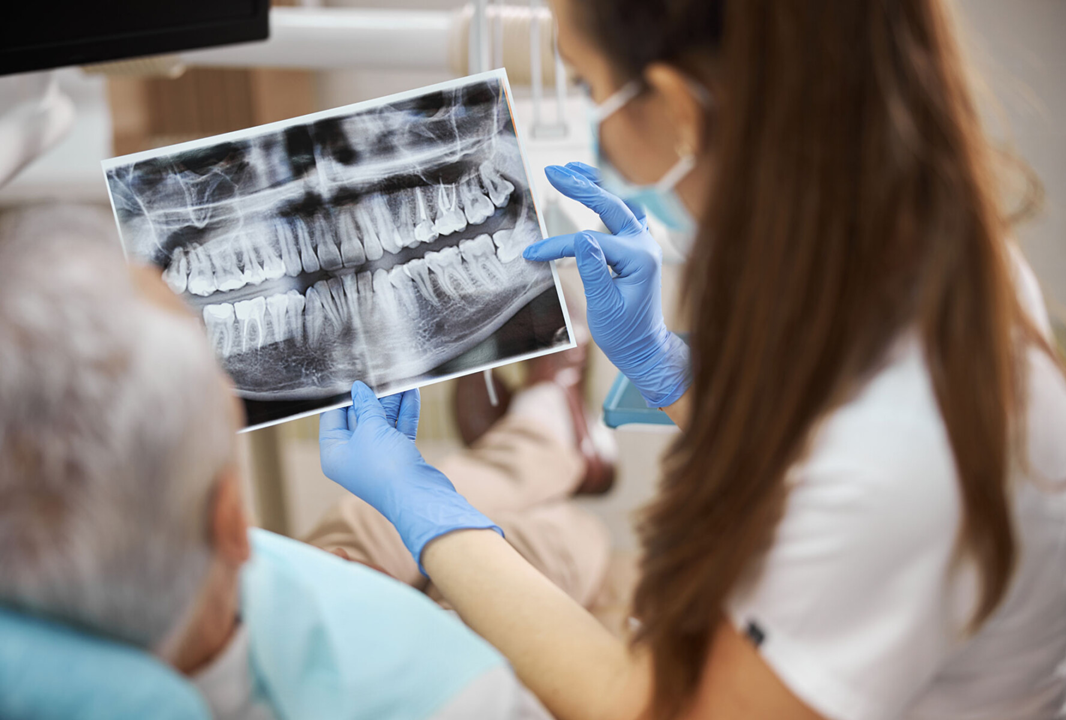
Dental X-rays are one of the most valuable diagnostic tools in modern dentistry. While a visual dental examination can reveal many issues, it cannot show what lies beneath the surface of the teeth and gums. Dental X-rays allow dentists to detect problems early, plan accurate treatments, and protect long-term oral and overall health.
In this detailed guide, we will explain what dental X-rays are, how they work, the different types of dental X-rays, why they are crucial for diagnosis, their safety, and how they contribute to preventive and advanced dental care.
Understanding Dental X-Rays:
Dental X-rays, also known as dental radiographs, are images that help dentists see the internal structures of your teeth, jawbone, and surrounding tissues. They use a controlled amount of radiation to capture images that cannot be viewed with the naked eye.
What Dental X-Rays Show:
- Tooth roots and enamel thickness
- Bone levels around teeth
- Hidden cavities
- Impacted or unerupted teeth
- Infections and abscesses
- Jawbone abnormalities
Dental X-rays are essential for both routine dental checkups and complex dental procedures.

How Dental X-Rays Work:
Dental X-rays work by passing a small amount of radiation through the mouth. Different tissues absorb radiation at different rates.
- Teeth and bone absorb more radiation and appear white
- Soft tissues absorb less and appear gray
- Air spaces appear dark
This contrast allows dentists to identify abnormalities accurately.
Why Visual Examination Alone Is Not Enough:
Even with advanced dental tools, many problems remain invisible during a clinical exam.
Conditions That Cannot Be Seen Without X-Rays:
- Cavities between teeth
- Decay under fillings or crowns
- Bone loss from gum disease
- Early-stage infections
- Cysts and tumors
- Problems below the gum line
Dental X-rays provide a complete picture, enabling early diagnosis and timely treatment.
Importance of Dental X-Rays in Diagnosis
1. Early Detection of Tooth Decay
Dental X-rays can identify cavities long before they cause pain.
Why early detection matters:
- Prevents extensive decay
- Allows minimally invasive treatment
- Saves natural tooth structure
Without X-rays, cavities may go unnoticed until they reach advanced stages.
2. Diagnosing Gum Disease:
Gum disease often progresses silently.
Dental X-rays help by:
- Measuring bone loss
- Identifying infection beneath gums
- Monitoring disease progression
This information is critical for periodontal treatment planning.
3. Detecting Infections and Abscesses:
Dental infections may develop at the root tip without visible symptoms.
X-rays reveal:
- Pus accumulation
- Bone destruction
- Spread of infection
Early treatment prevents serious complications.
4. Monitoring Tooth Development in Children:
Dental X-rays are essential in pediatric dentistry.
They help dentists:
- Track eruption of permanent teeth
- Identify missing or extra teeth
- Detect developmental abnormalities
This allows early orthodontic intervention when needed.
5. Evaluating Jawbone Health:
The jawbone supports teeth and facial structure.
X-rays assess:
- Bone density
- Bone loss
- Fractures or abnormalities
Jawbone evaluation is critical for dental implants and restorative procedures.
Types of Dental X-Rays:
Different dental X-rays serve different diagnostic purposes.
1. Bitewing X-Rays:
Most commonly used dental X-rays
Used to detect:
- Cavities between teeth
- Bone level changes
- Early gum disease
They are often taken during routine dental checkups.
2. Periapical X-Rays:
These show the entire tooth from crown to root.
Used to diagnose:
- Root infections
- Abscesses
- Trauma
- Bone abnormalities
Periapical X-rays are essential for endodontic (root canal) treatment.

3. Panoramic X-Rays:
Panoramic X-rays capture the entire mouth in a single image.
They help identify:
- Impacted wisdom teeth
- Jaw disorders
- Tumors and cysts
- Bone abnormalities
They are commonly used for treatment planning.

4. Occlusal X-Rays:
These show large areas of the mouth.
Used to detect:
- Tooth development
- Jaw fractures
- Cysts and growths
Occlusal X-rays are especially useful in children.
5. Cephalometric X-Rays:
Used primarily in orthodontics.
They evaluate:
- Jaw alignment
- Facial growth
- Bite relationship
These images assist in orthodontic treatment planning.
6. Cone Beam Computed Tomography (CBCT):
CBCT is an advanced 3D imaging technique.
Used for:
- Dental implants
- Complex extractions
- TMJ evaluation
- Surgical planning
CBCT provides highly detailed three-dimensional images.
Role of Dental X-Rays in Treatment Planning:
Dental X-rays allow dentists to create precise, personalized treatment plans.
Used in:
- Fillings and crowns
- Root canal treatment
- Orthodontics
- Dental implants
- Oral surgery
Accurate imaging leads to better outcomes and fewer complications.
Dental X-Rays and Preventive Dentistry:
Preventive dentistry relies heavily on diagnostic imaging.
Benefits include:
- Early disease detection
- Reduced treatment costs
- Less invasive procedures
- Better long-term outcomes
X-rays help prevent small problems from becoming major dental emergencies.
Are Dental X-Rays Safe?
Safety is a common concern among patients.
Radiation Exposure Facts:
- Dental X-rays use extremely low radiation
- Digital X-rays reduce exposure by up to 80%
- Protective lead aprons and thyroid collars are used
The benefits of dental X-rays far outweigh the minimal risks when used appropriately.
How Often Are Dental X-Rays Needed?
The frequency depends on individual risk factors.
Factors include:
- Age
- Oral health status
- History of cavities
- Gum disease risk
Your dentist will recommend X-rays only when necessary.
Dental X-Rays for Special Patient Groups:
Children
- Monitor growth and development
- Detect early orthodontic issues
Pregnant Women
- X-rays are avoided unless necessary
- Proper shielding minimizes risk
Seniors
- Monitor bone loss
- Detect root decay
Common Myths About Dental X-Rays:
Myth 1: Dental X-Rays Are Dangerous
Modern dental X-rays are extremely safe with minimal radiation.
Myth 2: X-Rays Are Only Needed When There Is Pain
Many serious dental problems develop without pain.
Myth 3: X-Rays Cause Cancer
The radiation level is too low to cause harm when used responsibly.
How Dental X-Rays Support Systemic Health:
Oral infections can affect overall health.
X-rays help detect conditions linked to:
- Heart disease
- Diabetes
- Respiratory infections
Early dental diagnosis supports whole-body wellness.
Digital Dental X-Rays vs Traditional X-Rays:
Advantages of Digital X-Rays:
- Lower radiation exposure
- Instant image viewing
- Enhanced image quality
- Easy storage and sharing
Digital imaging has revolutionized modern dentistry.
Preparing for a Dental X-Ray:
Dental X-rays require minimal preparation.
What patients should know:
- Inform your dentist if pregnant
- Remove metal objects
- Follow instructions during imaging
The process is quick and painless.
What Happens After Dental X-Rays?
Your dentist will:
- Review images
- Explain findings
- Recommend treatment if needed
Clear communication ensures informed decision-making.
Dental X-Rays and Advanced Dental Technology:
Modern dentistry integrates X-rays with:
- Digital impressions
- CAD/CAM restorations
- Smile design software
This enhances precision and patient experience.
Importance of Regular Dental Checkups with X-Rays:
Routine dental visits combined with diagnostic imaging ensure comprehensive care.
Benefits include:
- Early detection
- Accurate diagnosis
- Preventive focus
- Long-term oral health
Skipping X-rays can lead to missed diagnoses.
The Role of Dentists in Interpreting X-Rays:
Dental X-rays require professional interpretation.
Dentists analyze:
- Subtle changes in bone
- Early decay
- Hidden pathology
This expertise ensures correct diagnosis and treatment.
The Future of Dental X-Ray Technology:
Advancements continue to improve safety and accuracy.
Future developments include:
- Artificial intelligence-assisted diagnosis
- Enhanced 3D imaging
- Reduced radiation exposure
Technology will further strengthen preventive dentistry.
Final Thoughts
Dental X-rays are an essential part of modern dental care. They provide critical insights that cannot be obtained through visual examination alone. From detecting cavities and gum disease to planning complex treatments and protecting systemic health, dental X-rays play a vital role in diagnosis and prevention.
When used responsibly, dental X-rays are safe, effective, and invaluable in maintaining long-term oral health. Regular dental visits that include appropriate imaging allow problems to be identified early, treatments to be less invasive, and smiles to stay healthy for life.