
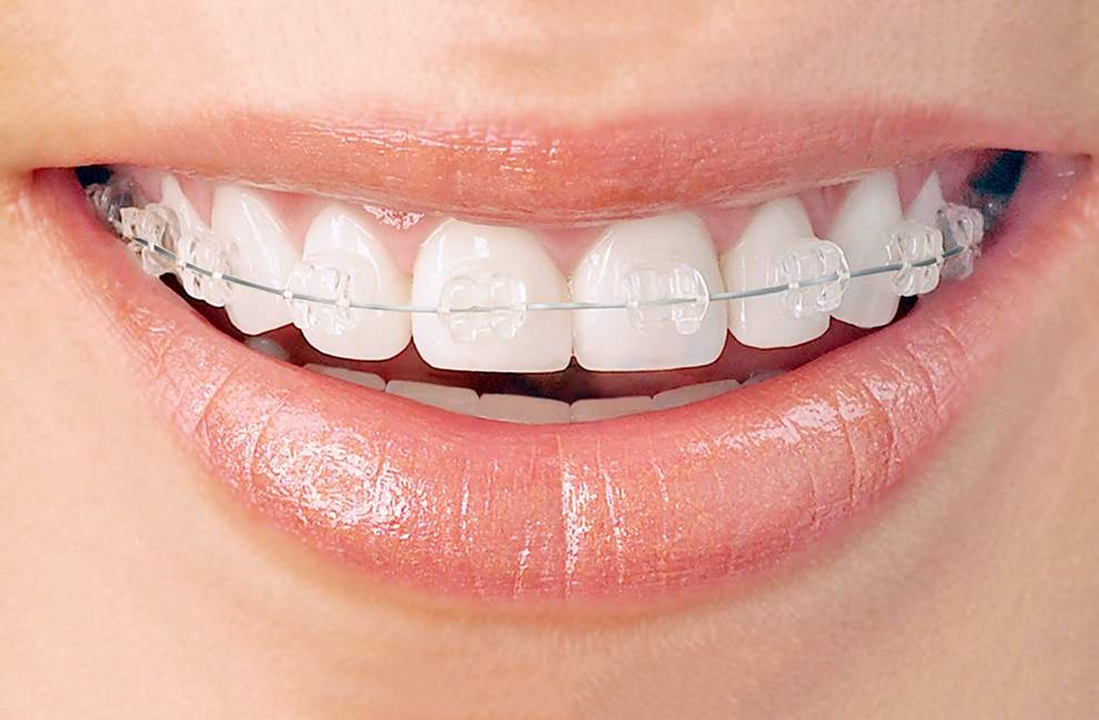
Dental braces are one of the most effective solutions for correcting misaligned teeth, bite issues, and jaw irregularities. With advances in modern dentistry, patients today have access to a wide range of orthodontic options designed to fit different needs, lifestyles, and budgets.
In this comprehensive guide, we’ll explore the types of dental braces, how they work, their benefits, and how to choose the right option for your orthodontic treatment.
What Are Dental Braces?
Dental braces are orthodontic devices used to straighten teeth, correct bite alignment, and improve overall oral function. They apply continuous pressure over time to move teeth into their proper positions.
Common reasons for getting braces include:
- Crooked or crowded teeth
- Gaps between teeth or spacing
- Overbite, underbite, or crossbite
- Jaw alignment problems
Braces improve not only the appearance of your smile but also oral health, speech, and chewing efficiency.

How Dental Braces Work:
Braces consist of brackets, wires, and sometimes elastic bands. These components work together to apply controlled pressure, gradually shifting teeth into alignment.
Key components include:
- Brackets: Attached to each tooth
- Arch wire: Guides tooth movement
- Elastic bands: Correct bite alignment
Treatment duration typically ranges from 12 to 36 months, depending on the severity of the case and the type of braces used.
1. Metal Braces (Traditional Braces)
Metal braces are the most common and time-tested type of dental braces.
Features
- Made from high-grade stainless steel
- Use metal brackets and wires
- Often include colorful elastic bands
Benefits
- Highly effective for complex orthodontic issues
- Most affordable braces option
- Durable and reliable
Considerations
- Most noticeable appearance
- May cause mild discomfort initially
Metal braces remain a popular choice for children and teenagers due to their effectiveness and cost efficiency.

2. Ceramic Braces
Ceramic braces function similarly to metal braces but are designed to be less visible.
Features
- Tooth-colored or clear brackets
- Blend in with natural teeth
Benefits
- More discreet than metal braces
- Effective for moderate to severe alignment issues
Considerations
- Slightly more expensive than metal braces
- Brackets can stain without proper care
Ceramic braces are a common choice for adults seeking a balance between effectiveness and aesthetics.

3. Clear Aligners (Invisible Braces)
Clear aligners are a modern orthodontic solution that uses custom-made, removable trays to straighten teeth.
Features
- Made from clear, medical-grade plastic
- Removable and nearly invisible
- Changed every few weeks
Benefits
- Virtually invisible appearance
- Easy to remove for eating and cleaning
- More comfortable than traditional braces
Considerations
- Requires discipline to wear 20–22 hours daily
- Not ideal for very complex cases
- Typically, higher cost
Clear aligners are especially popular among adults and professionals who want discreet orthodontic treatment.

4. Lingual Braces
Lingual braces are similar to traditional braces but are placed on the inner side of the teeth.
Features
- Custom-made brackets attached behind teeth
- Completely hidden from view
Benefits
- Invisible from the front
- Effective for complex orthodontic cases
Considerations
- More expensive than other braces
- Can affect speech initially
- Requires specialized orthodontic expertise
Lingual braces are ideal for patients who want powerful treatment without visible braces.

5. Self-Ligating Braces
Self-ligating braces use a specialized bracket system that holds the wire without elastic bands.
Features
- Metal or ceramic brackets
- Built-in sliding mechanism
Benefits
- Reduced friction and discomfort
- Fewer dental visits for adjustments
- Faster treatment in some cases
Considerations
- Slightly higher cost
- Not suitable for every orthodontic case
These braces are a modern upgrade to traditional systems and offer improved comfort.

6. Damon Braces
Damon braces are a popular brand of self-ligating braces.
Features
- Passive self-ligating design
- Available in metal and clear versions
Benefits
- Reduced pressure on teeth
- Shorter treatment time for some patients
- Easier oral hygiene maintenance
Considerations
- More expensive than traditional braces
- Brand-specific availability
Damon braces are often recommended for patients seeking efficient and comfortable treatment.
7. Hybrid Braces
Hybrid braces combine different orthodontic systems in one treatment plan.
Features
- Metal braces on some teeth
- Ceramic or lingual braces on visible teeth
Benefits
- Cost-effective customization
- Balances aesthetics and performance
Considerations
- Treatment complexity
- Requires detailed planning
Hybrid braces offer flexibility for patients with unique orthodontic needs.
Dental Braces for Children vs Adults
Braces for Children
- More effective due to developing jaws
- Often shorter treatment duration
- Metal braces commonly used
Braces for Adults
- More discreet options preferred
- Treatment may take longer
- Clear aligners and ceramic braces are popular
Age is not a limitation—braces are effective at any stage of life.
How to Choose the Right Type of Dental Braces
Choosing the right braces depends on multiple factors.
Key considerations include:
- Severity of orthodontic issues
- Aesthetic preferences
- Lifestyle and daily habits
- Budget and insurance coverage
- Treatment duration
A consultation with an experienced orthodontist is essential for personalized recommendations.
Caring for Your Braces
Proper care ensures successful treatment and prevents complications.
Tips include:
- Brush after every meal
- Use orthodontic-friendly floss
- Avoid hard, sticky, and sugary foods
- Attend regular adjustment appointments
Good oral hygiene reduces the risk of cavities and gum disease during treatment.
Benefits of Orthodontic Treatment
Beyond aesthetics, braces offer long-term oral health benefits.
Advantages include:
- Improved bite function
- Easier cleaning and better hygiene
- Reduced risk of tooth wear
- Enhanced confidence and smile
Orthodontic treatment is an investment in lifelong oral health.
Final Thoughts
With multiple types of dental braces available today, achieving a healthy, straight smile has never been more accessible. From traditional metal braces to nearly invisible aligners, each option offers unique benefits suited to different needs and lifestyles.
Consulting a qualified orthodontist is the best way to determine which type of dental braces is right for you. With the right treatment plan and commitment, a confident, healthy smile is well within reach.