
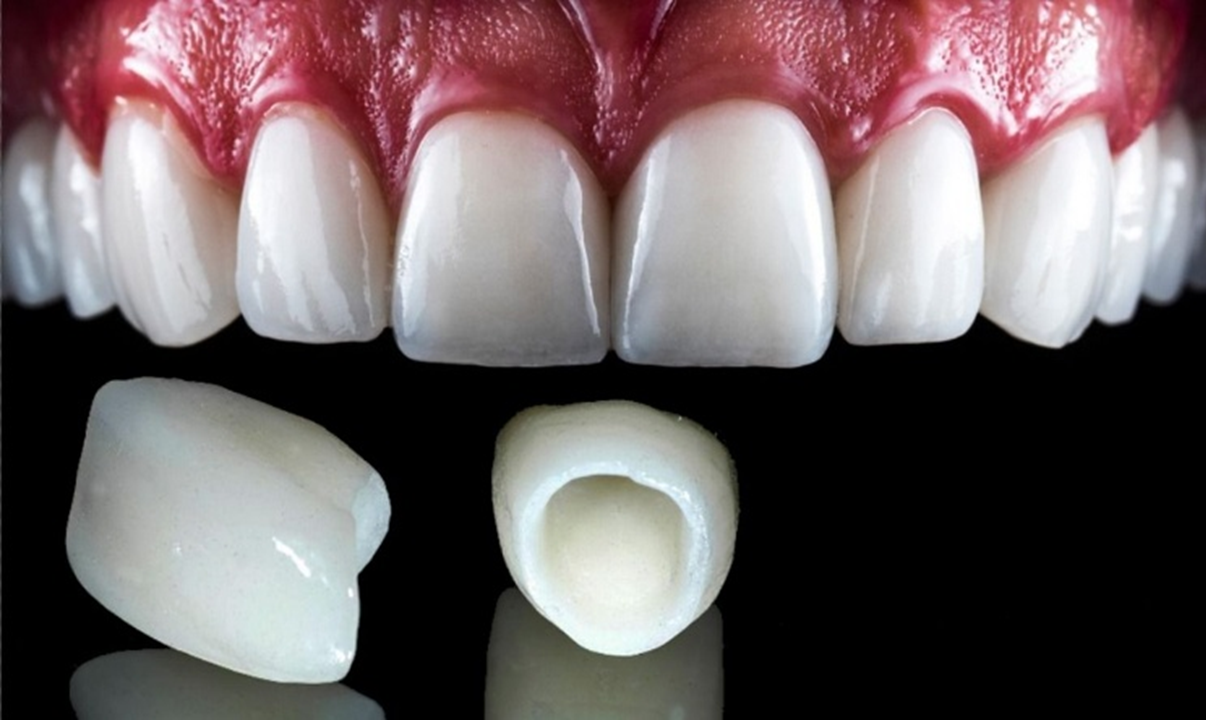
Dental crowns are prosthetic restorations that cover a damaged or weakened tooth to restore its shape, size, strength, and appearance. There are several types of crowns available, each with its own advantages and considerations. At NOVORIS, we choose the crown material best suited for your case. Here’s an overview of the most common types of dental crowns:
1. Metal Crowns
- Materials: Made from alloys containing high noble metals (gold), base metals (nickel, chromium), or a combination (palladium).
- Advantages:
- Durability: Extremely strong and resistant to wear, making them long-lasting.
- Minimal Tooth Reduction: Requires less tooth structure removal compared to other types of crowns.
- Biocompatibility: Generally well-tolerated by the gum tissue.
- Functionality: Ideal for molars and teeth that undergo heavy chewing forces.
- Considerations:
- Aesthetics: Highly visible due to their metallic color, which can be a consideration for front teeth.
- Conductivity: Metal crowns can conduct heat and cold, potentially causing sensitivity. This is a big trouble for posterior teeth.
- Allergic Reactions: Some patients may have allergies to certain metals.
Currently they are out of function and rarely used.


2. Porcelain-Fused-to-Metal (PFM) Crowns
- Materials: Consist of a metal base (substructure) covered with porcelain to match the natural tooth color.
- Advantages:
- Strength and Aesthetics: Combines the strength of metal with the natural appearance of porcelain.
- Customizable: Porcelain can be color-matched to adjacent teeth for a more natural look.
- Considerations:
- Metal Substructure: Some visibility of the metal margin can occur over time due to gum recession.
- Potential Wear: Porcelain can wear down opposing teeth if the bite isn’t properly adjusted.
- Possible Fractures: Porcelain layer may chip or fracture under extreme forces.
- More tooth structure reduction needs to be done. Also, if porcelain gets chipped then metal can get exposed. Not ideal for anterior teeth or teeth within the smile zone.


3. All-Ceramic or All-Porcelain Crowns
- Materials: Made entirely of ceramic or porcelain materials, with no metal substructure.
- Advantages:
- Natural Aesthetics: Best mimic natural teeth in color and translucency.
- Biocompatibility: No metal eliminates the risk of allergic reactions.
- Minimal Tooth Reduction: Often requires less tooth structure removal compared to other types.
- Considerations:
- Strength: While modern ceramics are strong, they may not be as durable as metal or PFM crowns, especially for molars subjected to heavy chewing forces.
- Cost: Generally, more expensive than metal or PFM crowns.
- Application: May not be suitable for all cases, especially where significant bite forces are involved.


4. Zirconia Crowns
- Materials: Made from zirconium dioxide, a strong and durable ceramic material.
- Advantages:
- Strength: Extremely durable and resistant to wear, making them suitable for posterior teeth.
- Aesthetics: Natural-looking and can be color-matched to adjacent teeth.
- Biocompatibility: Hypoallergenic and gentle on gum tissue.
- Considerations:
- Thickness: Requires more tooth reduction compared to other types of crowns.
- Translucency: May not achieve the same translucency as natural teeth in some cases.
- Cost: Generally, more expensive than metal or PFM crowns.


Choosing the Right Crown
The choice of crown depends on several factors including the location of the tooth, aesthetic preferences, biting forces, and budget. Your dentist will evaluate these factors and discuss the most suitable options for your specific needs.
Overall, dental crowns are versatile restorations that can effectively restore the function and appearance of damaged teeth and provide long-term dental health benefits when properly cared for. Connect with us at NOVORIS for your dental crown requirements and get what is right and best for you done.