
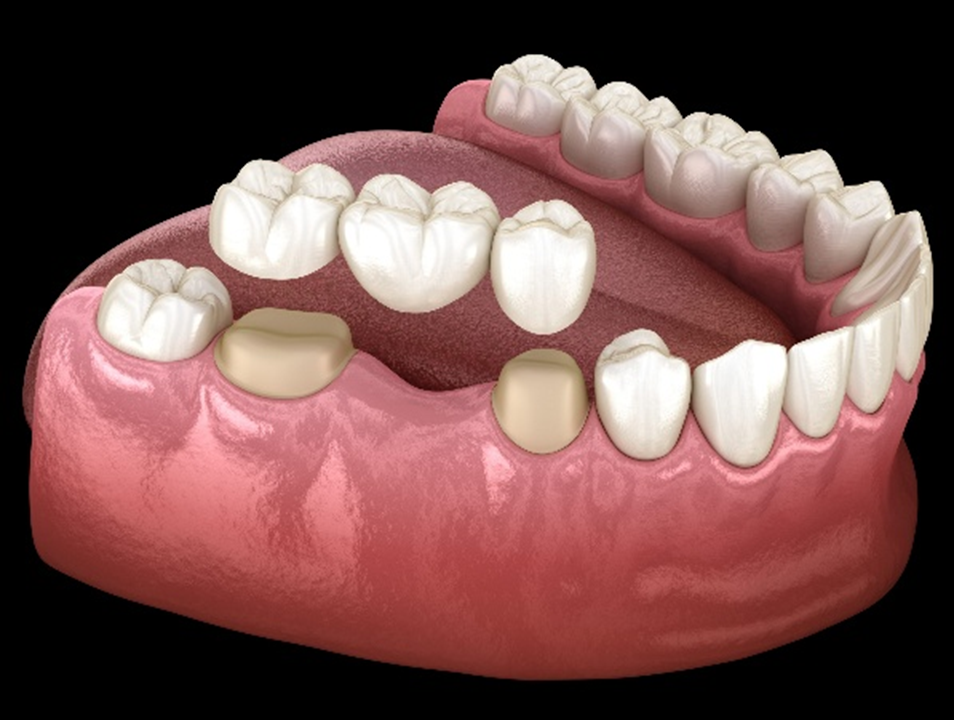
Dental Crowns are tooth-shaped caps which are placed on the tooth to restore the shape, size, and appearance of the tooth. It also enhances the strength of the tooth. If the major part of the tooth is missing, then the crown is the best solution for it. By placing the crown, a tooth can function normally again. The process of getting a dental crown or a dental bridge involves several steps, from initial consultation to final placement. Here's a detailed step-by-step procedure for both crown and bridge treatments:
Dental Crown and Bridge Procedure at NOVORIS:
1. Initial Consultation and Examination
- Evaluation: We examine the tooth/teeth that needs a crown/bridge to determine if it can support a crown/bridge or if any additional treatments, such as root canal therapy, crown lengthening, filling or core build up etc are needed.
- X-rays: X-rays are taken to assess the tooth root and surrounding bone.
2. Tooth Preparation
- Anesthesia: Local anesthesia is administered to numb the tooth and surrounding gum tissue if required. We use a three-step anesthesia protocol for painless anesthesia.
-

- Impression: An impression (mold) of the prepared tooth and adjacent teeth is taken. This impression is used to fabricate the custom crown. At NOVORIS, we use latest technology of dental scanning which a digital approach where in a scanner takes photos of your tooth and the measurement is done. It is very simple and painless and patient friendly yet very accurate. We use the TRIOS 3 SHAPE scanner which is one of the best scanner in the world right now.
3. Temporary Crown Placement
- Temporary Crown: A temporary crown made of acrylic or composite material is placed over the prepared tooth. This protects the tooth while the permanent crown is being made. This is done mainly for vital teeth or anterior teeth or only when required for a specific reason.
4. Crown Fabrication
- Laboratory Work: The impression is sent to a dental laboratory where skilled technicians fabricate the permanent crown. This process typically takes 1-2 days depending on the work to be done.
- Material Choice: Crowns/Bridges can be made from various materials such as porcelain-fused-to-metal (PFM), all-ceramic (E-max), all-porcelain, metal (gold or other alloys), or zirconia. The choice depends on factors like aesthetics, strength, and biting force requirements.


5. Crown Placement
- Removal of Temporary Crown: At your next appointment, the temporary crown is removed if placed.
- Fit and Adjustment: The permanent crown/bridge is checked for fit, color match, and bite alignment. Adjustments may be made to ensure the crown fits comfortably and functions correctly.
- Permanent Cementation: Once both you and our dentist are satisfied with the fit and appearance, the crown is permanently cemented onto the tooth using dental adhesive. We don’t use regular cements like other clinics to cement the crown. We use a special high strength dental adhesive which sticks the crown firmly to the tooth.
6. Post-Placement Care
- Final Checks: The bite is checked again to ensure proper alignment using the best bite alignment bite paper upto minute level. Any final adjustments are made if necessary. Polishing is done after adjustments.
- Instructions: We will provide instructions on how to care for your new crown, including oral hygiene practices and dietary considerations.
Conclusion
Both dental crowns and bridges are effective restorative treatments that can improve the function and appearance of your teeth. The process involves careful planning, preparation, and customization to ensure optimal results and long-term dental health. Connect with us at NOVORIS and we will guide you through each step and address any questions or concerns you may have about the procedure.