
A professional dental cleaning procedure is essential for maintaining optimal oral health. While daily brushing and flossing help control plaque, only a proper dental cleaning can remove hardened tartar and prevent serious dental issues such as gum disease and tooth decay. Understanding how a dental cleaning procedure is performed can help patients feel more confident and informed during their dental visits.
In this blog, we’ll walk through how a dental cleaning procedure is performed step by step, its benefits, and why regular cleanings are crucial for long-term oral health.
What Is a Dental Cleaning Procedure?
A dental cleaning, also known as oral prophylaxis, is a preventive dental treatment performed by a dentist or dental hygienist. The procedure removes plaque, tartar (calculus), and surface stains from teeth while improving gum health.
Primary goals of dental cleaning include:
- Preventing cavities and gum disease
- Removing plaque and tartar buildup
- Improving breath and appearance
- Identifying early signs of oral problems

Step 1: Oral Examination
Before beginning the dental cleaning, a thorough oral examination is performed.
What happens during this step:
- A small mirror and dental probe are used to examine teeth and gums
- The hygienist checks for cavities, plaque buildup, gum inflammation, or signs of infection
- X-rays may be reviewed if needed
This step ensures that it is safe to proceed with the cleaning and helps identify any underlying issues.
Step 2: Plaque and Tartar Removal (Scaling)
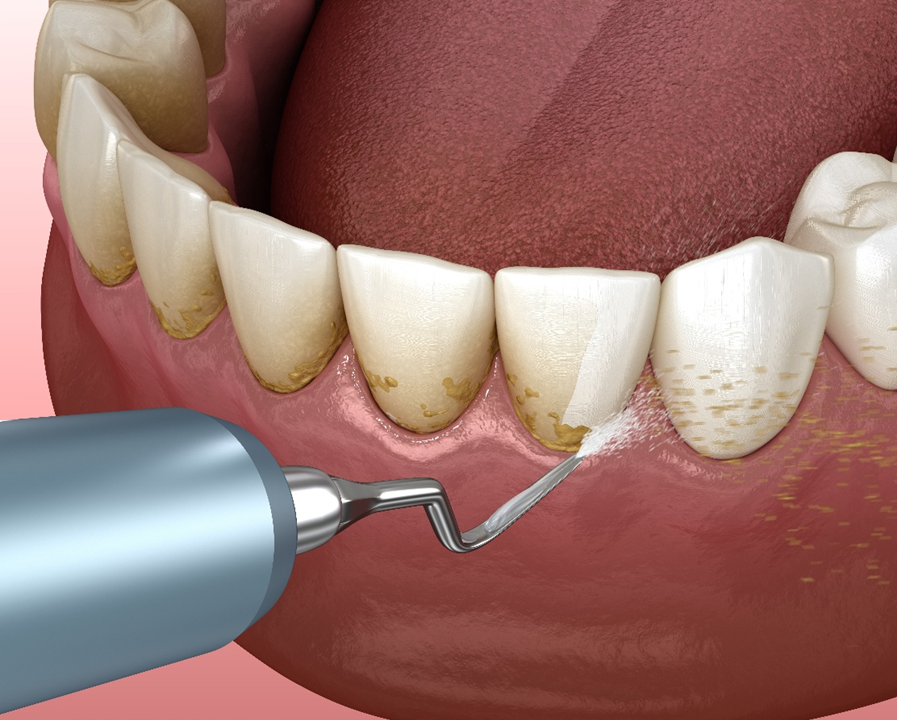
Scaling is one of the most important steps in a dental cleaning procedure.
How scaling is performed:
- Specialized hand instruments or ultrasonic scalers are used
- Plaque and tartar are removed from the tooth surface and along the gum line
- Ultrasonic tools use gentle vibrations and water spray to loosen deposits


Tartar cannot be removed by brushing alone, making professional scaling essential for preventing gum disease.
Step 3: Deep Cleaning Around the Gum Line
Once visible tartar is removed, attention is given to areas just below the gum line.
Why this step matters:
- Bacteria below the gums can lead to gingivitis or periodontitis
- Cleaning these areas reduces inflammation and bleeding
- Helps restore healthy gum attachment
For patients with advanced gum disease, a more
intensive procedure such as scaling and root planing may be recommended. Also
to remove the adherent biofilm many times air-polishing is done using a blaster.

Step 4: Tooth Polishing
After scaling, the teeth are polished to remove surface stains and smooth enamel.
Polishing process includes:
- Use of a low-speed handpiece with a rubber cup
- Application of a mildly abrasive polishing paste
- Gentle polishing of each tooth
Polishing helps reduce plaque accumulation by smoothing the tooth surface and enhances the overall appearance of the smile.
Step 5: Professional Flossing
Professional flossing ensures that all debris and polishing paste are removed from between the teeth.
Benefits of professional flossing:
- Reaches tight spaces often missed during daily flossing
- Removes lingering plaque and food particles
- Helps identify sensitive or inflamed areas
This step also reinforces the importance of proper flossing technique at home.
Step 6: Fluoride Treatment (Optional but Recommended)
Fluoride treatment is often the final step in a dental cleaning procedure.
How fluoride helps:
- Strengthens tooth enamel
- Helps prevent cavities
- Reverses early enamel demineralization
Fluoride may be applied as a gel, foam, or varnish and is especially beneficial for children and patients prone to cavities.
Step 7: Final Dental Evaluation
After the cleaning is complete, the dentist performs a final evaluation.
This includes:
- Reviewing overall oral health
- Discussing any concerns or findings
- Recommending treatments if necessary
- Providing personalized oral hygiene advice
This step ensures that patients leave with a clear understanding of their dental health status.
Benefits of Regular Dental Cleaning Procedures
Scheduling regular dental cleanings offers numerous benefits beyond a brighter smile.
Key advantages include:
- Prevention of tooth decay and gum disease
- Early detection of dental problems
- Fresher breath and cleaner teeth
- Reduced risk of costly dental treatments
Most dental professionals recommend a cleaning every six months, though some patients may need more frequent visits.
Aftercare Tips Following a Dental Cleaning
Post-cleaning care helps maintain results and prevent sensitivity.
Aftercare recommendations:
- Avoid acidic or extremely hot foods for a few hours
- Brush and floss gently the same day
- Use a soft-bristled toothbrush
- Maintain regular oral hygiene routine
Mild sensitivity after cleaning is normal and usually resolves quickly.
Final Thoughts
Understanding how a dental cleaning procedure is performed highlights its importance in preventive dental care. From plaque removal to fluoride protection, each step plays a vital role in maintaining healthy teeth and gums. Regular professional cleanings, combined with good at-home oral hygiene, are the foundation of a confident, healthy smile.
If you want to protect your oral health and avoid future dental problems, make dental cleanings a regular part of your healthcare routine.