
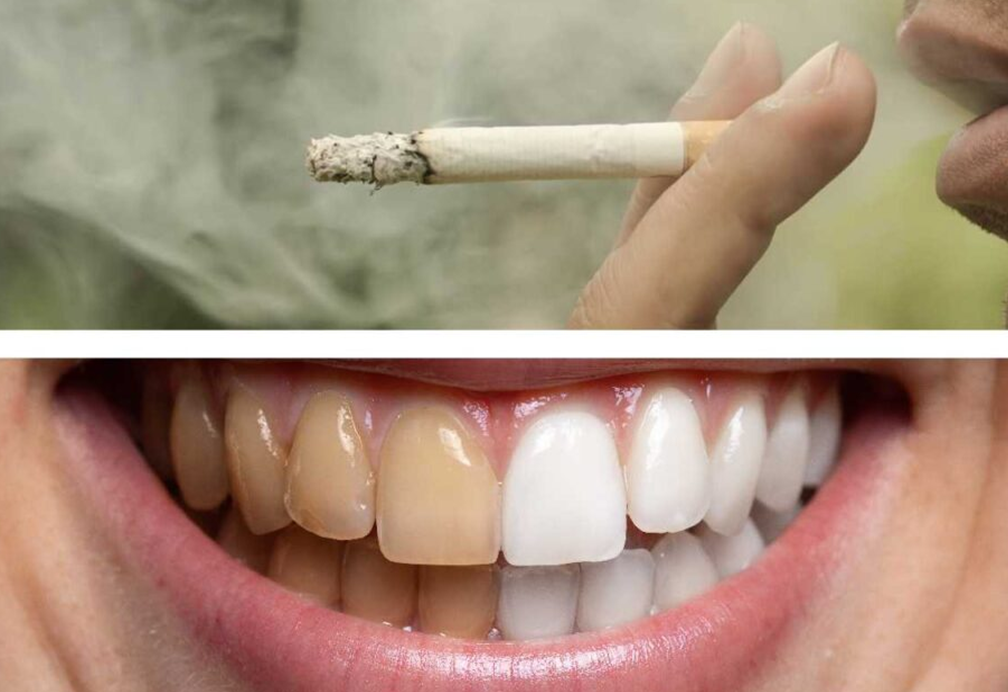
Smoking cigarettes and using tobacco products have long been recognized as major threats to overall health. While many people associate smoking with lung disease and heart problems, fewer realize the severe and often irreversible damage smoking causes to oral health. From stained teeth and gum disease to oral cancer and systemic illness, the effects of smoking extend far beyond bad breath.
In this comprehensive guide, we explore how cigarettes and smoking affect your teeth, gums, oral tissues, and overall health, why these effects occur, and how quitting smoking can dramatically improve both oral and general well-being.
How Smoking Affects the Mouth: An Overview
The mouth is the first point of contact for cigarette smoke. Tobacco smoke contains thousands of toxic chemicals, including nicotine, tar, carbon monoxide, and carcinogens. These substances directly damage oral tissues and weaken the body’s natural defense mechanisms.
Key Ways Smoking Harms Oral Health:
- Reduces blood flow to the gums
- Weakens the immune system
- Delays healing
- Increases bacterial growth
- Alters saliva production
Over time, these effects create an ideal environment for dental disease and infection.
Effects of Smoking on Teeth:
1. Tooth Discoloration and Staining
One of the most visible effects of smoking is tooth staining.
Why smoking stains teeth:
- Tar and nicotine adhere to enamel
- Microscopic pores in enamel trap pigments
- Smoking accelerates plaque buildup
Smokers often develop yellow, brown, or dark stains that are difficult to remove with regular brushing. Even professional whitening may be less effective unless smoking is stopped.

2. Increased Risk of Tooth Decay
Smoking significantly increases the risk of cavities.
How smoking causes tooth decay:
- Promotes plaque and tartar formation
- Reduces saliva flow (dry mouth)
- Encourages harmful bacteria
Saliva plays a crucial role in neutralizing acids and washing away food particles. Reduced saliva creates an acidic environment that weakens enamel and accelerates decay.
3. Tooth Sensitivity and Enamel Damage
Chemicals in tobacco smoke can weaken enamel over time.
Consequences include:
- Increased tooth sensitivity
- Higher risk of enamel erosion
- Greater vulnerability to cavities
Weakened enamel cannot regenerate, making prevention essential.
Effects of Smoking on Gums:
4. Gum Disease (Periodontal Disease)
Smoking is one of the leading risk factors for gum disease.
How smoking damages gums:
- Restricts blood flow to gum tissue
- Masks early signs of inflammation
- Reduces immune response to infection
- Increases inflammation markers and helps bacterial growth and bacterial induced tissue damage
Smokers are up to six times more likely to develop periodontal disease than non-smokers.
5. Hidden Symptoms and Delayed Diagnosis
One dangerous effect of smoking is that it can hide gum disease symptoms.
Why this is harmful:
- Reduced bleeding masks inflammation
- Disease progresses unnoticed
- Bone loss occurs silently
By the time pain appears, gum disease is often advanced.
6. Gum Recession and Tooth Loss
As gum disease progresses, smoking accelerates tissue and bone destruction.
Long-term effects include:
- Receding gums
- Loose teeth
- Permanent tooth loss
Tooth loss caused by smoking-related gum disease is one of the most common preventable dental problems in adults.
Effects of Smoking on Oral Tissues:
7. Delayed Healing After Dental Procedures
Smoking severely affects the body’s healing ability.
After procedures such as:
- Tooth extractions
- Dental implants
- Gum surgery
Smokers experience slower healing, increased infection risk, and higher failure rates.
8. Oral Infections and Fungal Conditions
Smokers are more prone to oral infections.
Common conditions include:
- Oral candidiasis (thrush)
- Chronic mouth sores
- Bacterial infections
A weakened immune system allows infections to persist longer and recur more frequently.
9. Oral Cancer
One of the most serious consequences of smoking is oral cancer.
Smoking increases the risk of cancers affecting:
- Lips
- Tongue
- Cheeks
- Gums
- Floor and roof of the mouth
- Throat
Tobacco-related oral cancers can be life-threatening, especially when detected late.
10. Leukoplakia and Precancerous Lesions
Smoking often causes white or red patches in the mouth.
These lesions may:
- Be painless initially
- Develop into cancer over time
- Require biopsy and monitoring
Regular dental visits are essential for early detection.

Effects of Smoking on Breath and Taste:
11. Chronic Bad Breath (Halitosis)
Smoking causes persistent bad breath.
Reasons include:
- Dry mouth
- Increased bacterial activity
- Chemical residue in oral tissues
Mouthwash only masks the problem—treating the cause requires quitting smoking and improving oral health.
12. Reduced Sense of Taste and Smell
Smoking damages taste buds and sensory receptors.
This leads to:
- Reduced enjoyment of food
- Altered taste perception
- Poor appetite awareness
Many people report improved taste and smell after quitting smoking.
Effects of Smoking on Dental Treatments:
13. Higher Risk of Dental Implant Failure
Smoking significantly reduces dental implant success rates.
Why implants fail more often in smokers:
- Impaired bone healing
- Reduced blood supply
- Increased infection risk
Quitting smoking before implant treatment greatly improves outcomes.
14. Complications With Orthodontic and Restorative Care
Smoking interferes with dental treatments such as:
- Braces
- Crowns and bridges
- Gum surgeries
Healing complications and poor tissue response can compromise results.
Effects of Smoking on Overall Health:
While oral health damage is severe, smoking’s effects extend throughout the body.
15. Cardiovascular Disease
Smoking damages blood vessels and increase clot formation.
Linked conditions include:
- Heart attacks
- Stroke
- High blood pressure
Gum disease caused by smoking further increases cardiovascular risk.
16. Respiratory Diseases
Smoking is a leading cause of:
- Chronic bronchitis
- Emphysema
- Chronic obstructive pulmonary disease (COPD)
Oral bacteria can be inhaled into the lungs, worsening respiratory health.
17. Increased Risk of Diabetes
Smoking raises blood sugar levels and worsens insulin resistance.
Combined with gum disease, smoking:
- Makes diabetes harder to control
- Increases infection risk
- Slows wound healing
This creates a dangerous cycle affecting both oral and overall health.
18. Weakened Immune System
Smoking suppresses immune function.
Consequences include:
- Frequent infections
- Slower recovery
- Reduced response to treatment
A weakened immune system allows oral and systemic diseases to progress faster.
19. Pregnancy and Developmental Risks
Smoking during pregnancy increases the risk of:
- Gum disease
- Low birth weight
- Premature birth
- Developmental issues
Maintaining oral health during pregnancy is critical for mother and baby.
How Quitting Smoking Improves Oral and Overall Health
The benefits of quitting smoking begin almost immediately.
Oral Health Benefits:
- Improved blood flow to gums
- Reduced plaque buildup
- Better healing after dental procedures
- Fresher breath
- Reduced cancer risk
Overall Health Benefits:
- Improved heart and lung function
- Lower risk of cancer
- Stronger immune response
- Increased life expectancy
Many former smokers notice visible improvements in their smile within weeks.
Dental Care Tips for Smokers and Former Smokers
If you smoke or have smoked in the past, proactive dental care is essential.
Recommended Steps:
- Visit the dentist more frequently
- Schedule regular oral cancer screenings
- Maintain excellent oral hygiene
- Consider professional cleanings and stain removal
- Seek smoking cessation support
Dentists play a vital role in early detection and prevention.
Common Myths About Smoking and Oral Health
Myth: “Only heavy smokers get dental problems”
Even light or occasional smoking increases oral health risks.
Myth: “Vaping is harmless to teeth and gums”
E-cigarettes still contain nicotine and chemicals that affect oral tissues.
Myth: “Damage is permanent even after quitting”
Many oral health improvements occur after quitting smoking.
Final Thoughts
The effects of cigarettes and smoking on your teeth, gums, oral tissues, and overall health are severe, cumulative, and often preventable. Smoking doesn’t just stain teeth—it damages gums, weakens immunity, delays healing, increases cancer risk, and impacts the entire body.
Quitting smoking is one of the most powerful steps you can take to protect your oral health and improve your quality of life. Combined with regular dental visits and good oral hygiene, it can dramatically reduce long-term health risks and help you regain a healthier, brighter smile.