
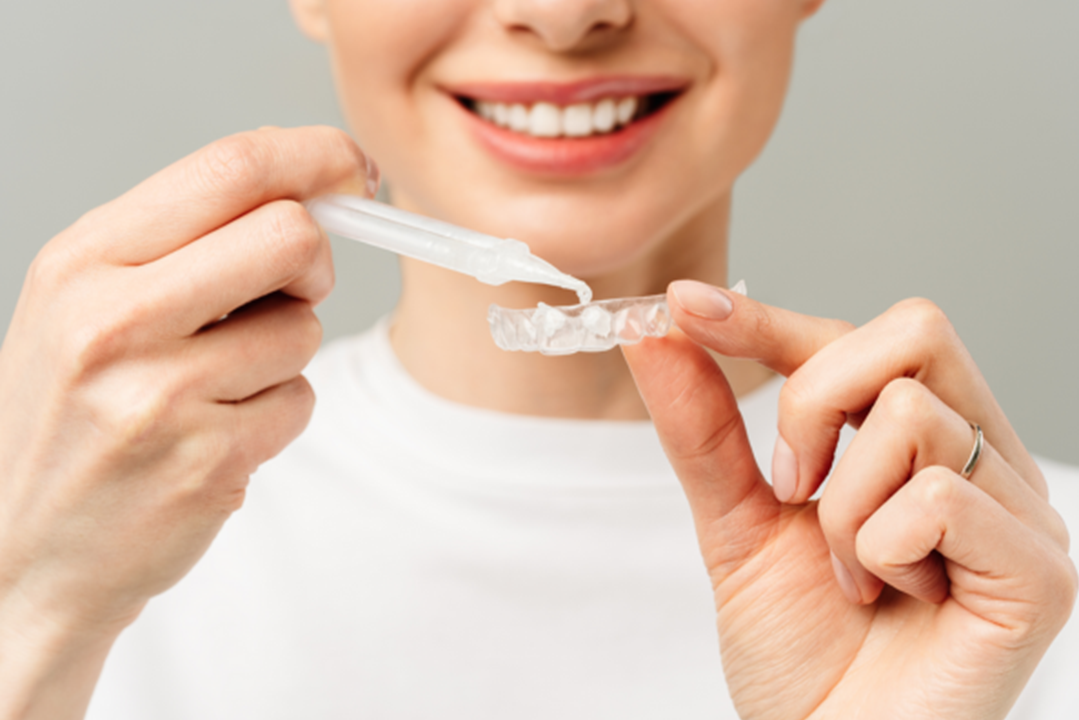
DIY teeth whitening refers to the practice of using over-the-counter products or homemade remedies to whiten teeth at home without professional supervision. While DIY teeth whitening methods are popular due to their accessibility and affordability, there are important facts and considerations to keep in mind:
1. Types of DIY Teeth Whitening Methods:
- Whitening Toothpaste: Toothpaste containing mild abrasives or polishing agents to remove surface stains.
- Whitening Strips: Thin, flexible strips coated with a peroxide-based gel applied directly to the teeth.
- Whitening Gels and Trays: Gels containing bleaching agents (like hydrogen peroxide or carbamide peroxide) applied to teeth using trays that mold to the teeth.
- Home Remedies: Natural ingredients like baking soda, activated charcoal, or hydrogen peroxide used to create homemade whitening pastes or rinses.
2. Effectiveness:
- Surface Stains: DIY methods can effectively remove surface stains caused by coffee, tea, tobacco, or certain foods, resulting in a brighter smile.
- Deep Stains: For deeper stains or discoloration caused by medications or dental conditions, professional treatments may be more effective.
3. Safety Considerations:
- Abrasive Effects: Some DIY methods, like using baking soda or charcoal, can be abrasive and may wear down tooth enamel over time if used excessively.
- Gum Irritation: Improper application or prolonged use of whitening products can irritate gums and lead to sensitivity or discomfort.
- Peroxide Concentration: Overuse of products with high concentrations of peroxide can damage tooth enamel or cause sensitivity. It’s crucial to follow product instructions carefully.
4. Results:
- Temporary: DIY whitening results are often temporary, requiring regular maintenance to sustain brightness.
- Variable Outcomes: Results vary depending on the product used, individual dental health, and the severity of stains.
5. Professional Supervision:
- Dentist Recommendation: Consulting with a dentist before starting any DIY whitening regimen ensures your oral health is evaluated and that you receive personalized advice on safe and effective methods.
- Professional Treatments: Professional dental treatments like in-office whitening or custom-fitted trays with dentist-supervised bleaching agents provide more controlled and predictable results.
Conclusion:
DIY teeth whitening can be a convenient option for maintaining a bright smile, especially for mild surface stains. However, it’s essential to prioritize oral health and safety by using products as directed and seeking professional guidance when needed. For more significant whitening results or concerns about dental health, consulting with a dentist ensures you receive the best possible care and advice tailored to your individual needs. We, at NOVORIS, always prefer safety over any unwanted risks. Hence, at NOVORIS, we use the best teeth whitening materials available in the dental and cosmetic market. You can connect with us to know more about the teeth whitening procedure and we would be more than happy to help you out.
