
For many years, dentistry was viewed as a separate branch of healthcare focused only on teeth and gums. However, modern medical research has revealed a powerful truth: oral health and systemic health are deeply connected. The mouth is not an isolated part of the body—it is a gateway to overall health, and conditions that affect oral tissues can influence nearly every major system in the body.
In this comprehensive guide, we explore the connection between dentistry and systemic health, how oral diseases affect the body, which medical conditions are linked to poor oral health, and why regular dental care is essential for long-term wellness.
Understanding the Mouth–Body Connection:
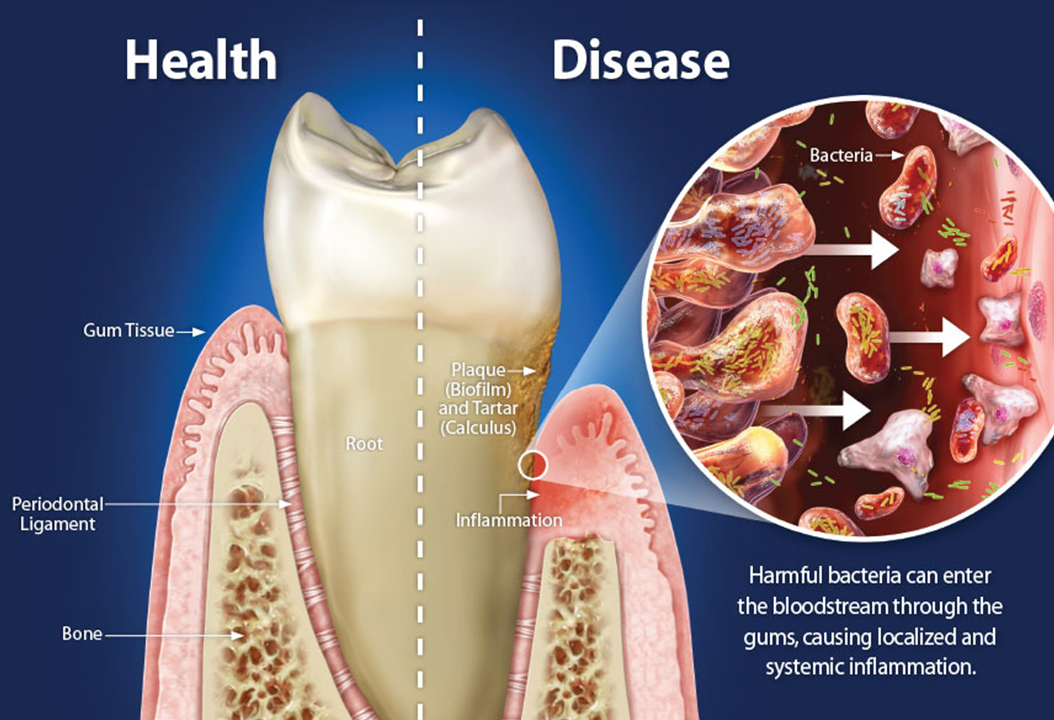
The mouth is home to billions of bacteria—most of them harmless when kept under control through proper oral hygiene. However, when oral health is neglected, harmful bacteria can multiply, enter the bloodstream, and trigger inflammation throughout the body.
Key Pathways Linking Oral and Systemic Health:
- Bacteria entering the bloodstream through inflamed gums
- Chronic inflammation spreading beyond the mouth
- Immune system overload
- Shared risk factors such as smoking, poor diet, and stress
Dentistry plays a critical role in preventing and managing systemic diseases by maintaining oral health.
Why Oral Health Is a Vital Part of Overall Health:
Oral health reflects what is happening in the body and can also influence systemic conditions.
Healthy Mouth Benefits:
- Reduces chronic inflammation
- Supports immune function
- Improves nutrition and digestion
- Enhances quality of life
Poor oral health, on the other hand, is associated with increased risk of serious medical conditions.
Gum Disease: A Major Link Between Dentistry and Systemic Health:
What Is Gum Disease?
Gum disease (periodontal disease) is a chronic inflammatory condition caused by bacterial infection of the gums and supporting structures of the teeth.
Stages include:
- Gingivitis (early, reversible stage)
- Periodontitis (advanced, irreversible stage)
Gum disease is one of the strongest connections between oral health and systemic health.
Dentistry, Gum Disease, and Cardiovascular Health:
How Gum Disease Affects the Heart:
Research has consistently shown a strong association between periodontal disease and cardiovascular disease.
Mechanisms include:
- Oral bacteria entering the bloodstream
- These bacteria release proteins and markers that cause inflammation in cardiac tissue
- Inflammation contributing to plaque buildup in arteries
- Increased risk of blood clots
Conditions Linked to Poor Oral Health:
- Heart disease
- Stroke
- Atherosclerosis
- High blood pressure
Maintaining healthy gums can reduce inflammatory burden and support heart health.
The Connection Between Dentistry, Gum Disease, and Diabetes:
A Two-Way Relationship:
Diabetes and oral health influence each other in a dangerous cycle.
How diabetes affects oral health:
- Reduced immune response
- Increased gum disease risk
- Delayed wound healing
How gum disease affects diabetes:
- Raises blood sugar levels
- Increases insulin resistance
- Makes diabetes harder to control
Regular dental care is essential for diabetic patients to maintain glycemic control and prevent complications.
Oral Health, Gum Disease, and Respiratory Diseases:
How Oral Bacteria Affect the Lungs:
Harmful bacteria from the mouth can be inhaled into the lungs, especially in older adults or individuals with weakened immunity.
Linked respiratory conditions include:
- Pneumonia
- Chronic obstructive pulmonary disease (COPD)
- Respiratory infections
Professional dental cleanings reduce bacterial load and lower respiratory disease risk.
Dentistry, Gum Disease, and Pregnancy Outcomes:
Why Oral Health Matters During Pregnancy:
Hormonal changes during pregnancy increase the risk of gum disease, which has been linked to adverse pregnancy outcomes.
Potential risks include:
- Preterm birth
- Low birth weight
- Preeclampsia
Safe, routine dental care during pregnancy supports both maternal and fetal health.
Oral Health and the Immune System:
Chronic Inflammation and Immune Overload:
When oral infections persist, the immune system remains in a constant state of activation.
Consequences include:
- Increased susceptibility to illness
- Slower healing
- Higher risk of autoimmune flare-ups
By treating oral infections, dentistry helps reduce systemic immune stress.
Dentistry and Digestive Health:
The Role of Teeth in Proper Digestion:
Digestion begins in the mouth. Missing, painful, or poorly aligned teeth affect chewing efficiency.
Consequences of poor oral function include:
- Inadequate nutrient absorption
- Gastrointestinal discomfort
- Altered diet choices
Restorative dentistry improves chewing and supports digestive health.
Oral Health and Brain Health:
Links to Cognitive Decline:
Emerging research suggests a connection between gum disease and neurodegenerative conditions.
Possible links include:
- Chronic inflammation
- Oral bacteria crossing the blood-brain barrier
- Increased risk of Alzheimer’s disease and Dementia
While research is ongoing, maintaining oral health may help reduce neurological risk.
Dentistry and Bone Health:
Jawbone and Skeletal Health:
Tooth loss and gum disease lead to jawbone deterioration.
Impacts include:
- Facial structure changes
- Increased fracture risk
- Difficulty with dental restorations
Dental implants and periodontal care help preserve bone health.
Oral Cancer and Systemic Health:
Early Detection Saves Lives
Dentists play a critical role in detecting oral cancer early.
Risk factors include:
- Smoking
- Alcohol use
- HPV infection
Early diagnosis significantly improves survival rates and treatment outcomes.
Chronic Diseases Linked to Poor Oral Health:
Conditions Commonly Associated with Oral Disease:
- Heart disease
- Diabetes
- Rheumatoid arthritis
- Kidney disease
- Obesity
- Certain cancers
Dentistry supports early detection and disease management.
Inflammation: The Common Denominator:
Chronic inflammation is the connecting link between oral disease and systemic illness.
Gum disease contributes to:
- Elevated inflammatory markers
- Tissue damage
- Disease progression
- Autoimmune disease
- Inability to fight infection
Controlling oral inflammation reduces systemic risk.
Role of Preventive Dentistry in Systemic Health:
Preventive Dental Care Includes:
- Regular dental checkups
- Professional cleanings
- Oral cancer screenings
- Early gum disease treatment
Prevention is the most powerful tool for protecting both oral and overall health.
The Dentist’s Role in Whole-Body Health:
Dentists are often the first healthcare providers to detect signs of systemic disease.
Dentists may identify:
- Diabetes symptoms
- Nutritional deficiencies
- Immune disorders
- Autoimmune conditions
Collaborative care between dentists and physicians improves patient outcomes.
Oral Health and Mental Well-Being:
Psychological Impact of Oral Health:
Poor oral health affects:
- Self-esteem
- Social interaction
- Mental health
Restorative and cosmetic dentistry can significantly improve emotional well-being.
How Lifestyle Choices Affect Oral and Systemic Health:
Shared Risk Factors:
- Smoking
- Poor diet
- Stress
- Alcohol use
- Lack of exercise
Healthy lifestyle choices benefit both oral and systemic health.
How Often Should You Visit the Dentist?
Most individuals should visit the dentist every six months, but those with systemic conditions may need more frequent care.
High-risk patients include:
- Diabetics
- Smokers
- Pregnant women
- Heart disease patients
Customized dental care plans improve health outcomes.
Breaking the Myth: “Oral Health Is Separate from Medical Health”
This outdated belief leads to delayed care and preventable disease.
The truth:
Oral health is an essential component of whole-body health and should be
treated as such.
The Future of Dentistry and Integrated Healthcare:
Modern dentistry is moving toward:
- Integrated medical-dental care
- Digital diagnostics
- Preventive health models
This approach improves early detection and long-term wellness.
Practical Tips to Protect Oral and Systemic Health:
Daily Habits:
- Brush twice daily with fluoride toothpaste
- Floss daily
- Maintain a balanced diet
- Stay hydrated
Professional Care:
- Schedule regular dental visits
- Treat gum disease early
- Address tooth loss promptly
Final Thoughts
The connection between dentistry and systemic health is undeniable. Oral health influences cardiovascular health, diabetes control, respiratory function, pregnancy outcomes, immune response, and even brain health. A healthy mouth supports a healthy body, and neglecting oral care can have far-reaching consequences.
Dentistry is no longer just about teeth—it is an essential part of preventive healthcare. By prioritizing regular dental visits and maintaining good oral hygiene, you take an important step toward protecting your overall health and quality of life.

